|

|
|
Issue #60 · July 7, 2026
ChatGPT's Thinking Mode Uses Completely Different Sources — Only 25.6% Overlap With Standard Mode
July 2026 · Search Engine Land
Search Engine Land's analysis of 100 prompts across 20 buyer journeys found that only 25.6% of sources overlap between ChatGPT's standard mode and high-reasoning (Thinking Mode). When users activate deeper reasoning, the source mix changes dramatically: Reddit citations collapse from 15% to 7%, while government, academic, and official documentation sources surge from 1.9% to 8.8%. Citation frequency also rises - from 50% to 68% of responses - meaning Thinking Mode is both more selective and more likely to cite something.
The practical implication is significant: a brand that appears consistently in standard ChatGPT responses may be almost invisible to high-intent users who enable Thinking Mode. Average citations per response jumped from 2.6 to 4.5 in high-reasoning mode — meaning more sources are consulted, but from a narrower, higher-authority pool. Brands relying on Reddit presence, community forums, or conversational content are disproportionately exposed to this shift.
|
|
|
|
|
|
AI Overviews · July 2026 · ZeroClickLabs
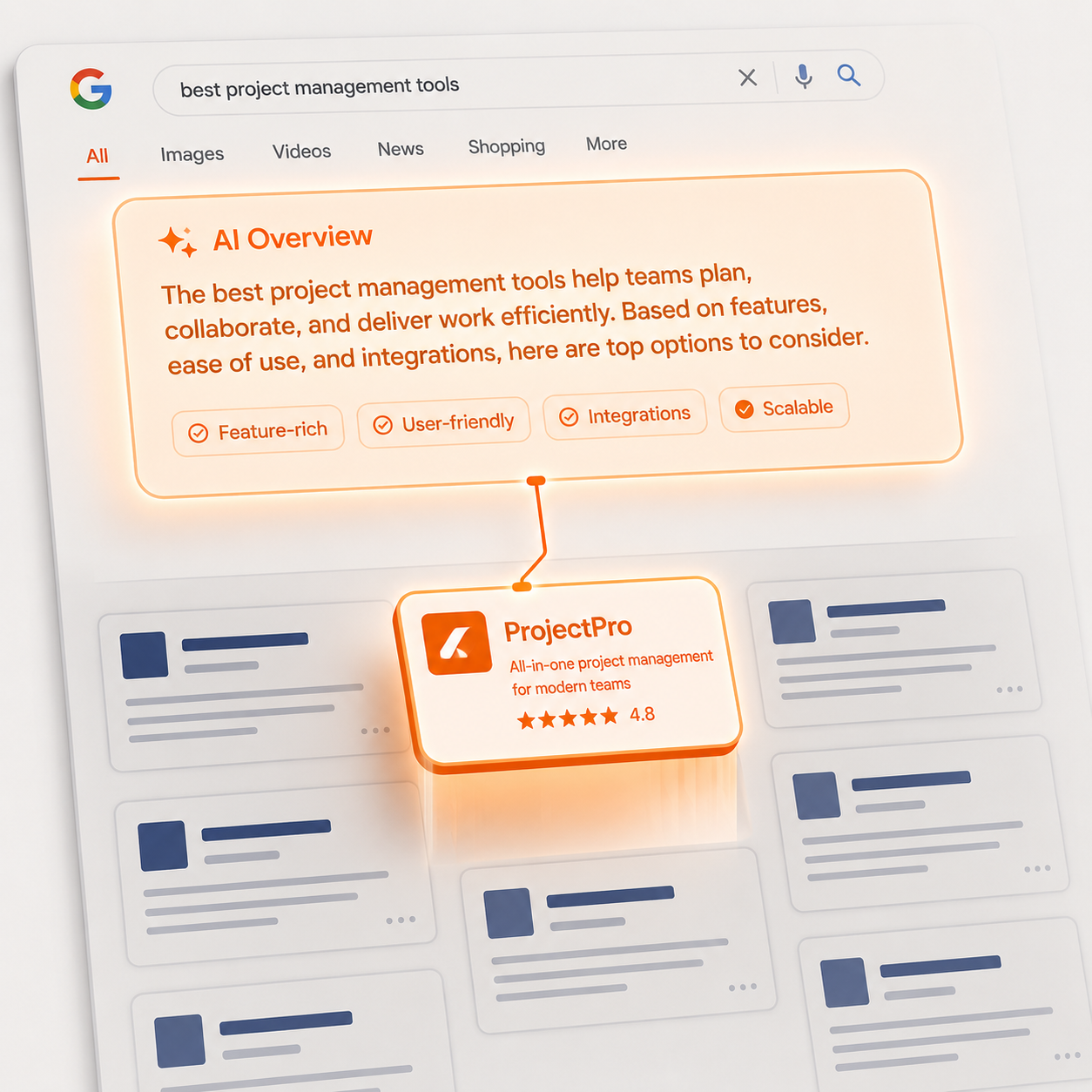
Brands Covering Fanout Sub-Queries Are 161% More Likely to Be Cited in AI Overviews
ZeroClickLabs' complete 2026 guide finds that Google's AI Overviews run "fanout" sub-queries to validate answers. Brands appearing across both the main query and its sub-queries are 161% more likely to be cited. Critically, only 38% of AIO-cited URLs ranked in the top 10 organically — meaning ranking is not the primary driver. Content breadth across a topic cluster matters more than any single page's position.
|
|
Read the full guide ->
|
|
|
|
|
|
|
|
Citation Volatility · July 2026 · SEOClarity
ChatGPT Citation Volume Dropped 86-94% Across All Markets — Then Rebounded
SEOClarity's global tracking across US, UK, Canada, Germany, and Italy found two algorithmic shifts (March 8, April 19) caused citation volumes to drop 86-94% across all markets. By May the numbers rebounded — but the pattern reveals a structural risk: GEO visibility is not a stable asset. Brands that disappeared from citations during those windows lost weeks of AI-driven exposure through no fault of their own content.
|
|
See the global data ->
|
|
|
|
LLMs.txt · July 2026 · SE Ranking
Analysis of 300,000 Domains Finds Zero Correlation Between LLMs.txt and AI Citation Frequency
SE Ranking's analysis of nearly 300,000 domains found no measurable correlation between having an llms.txt file and appearing in AI citations. Removing the llms.txt variable from their XGBoost predictive model actually improved accuracy — meaning it's not even a weak signal. Only 10.13% of domains have adopted it despite widespread hype. The conclusion: llms.txt may matter eventually as AI agents adopt it, but as a citation driver today it is not measurable.
Read the full analysis ->
|
|
Navarro's Take
"The Thinking Mode finding is the most underreported story in GEO right now. Most brands are building their AI visibility strategy around standard ChatGPT - the mode casual users reach for. But the 25.6% source overlap means your high-intent buyers, the ones who turn on deep reasoning to research a major purchase, are looking at a completely different source pool. Reddit and community content drop out. Official documentation, government sources, and academic papers dominate. If your brand doesn't have a presence in those authoritative layers - not just forums and conversational content - you're invisible to exactly the users who matter most."
- Ido Navarro, LLMagnet
|
|
|