GEO Pulse
Today in 30 seconds
1
ChatGPT and Perplexity require opposite strategies - what ranks on one actively hurts you on the other, per a new platform-by-platform breakdown of citation behavior.
2
Perplexity averages 21.9 citations per response vs. ChatGPT's 10.4 - and 80% of ChatGPT-cited URLs don't appear anywhere in Google's top 100 results.
3
Three platforms, three jobs: ChatGPT for task execution, Claude for deep analysis, Perplexity for research with citations - and each rewards completely different content structures.
4
SEO and GEO must coexist - brands abandoning traditional search optimization to chase AI citations are making a losing bet; the 2026 playbook requires both, not either/or.
Top Stories
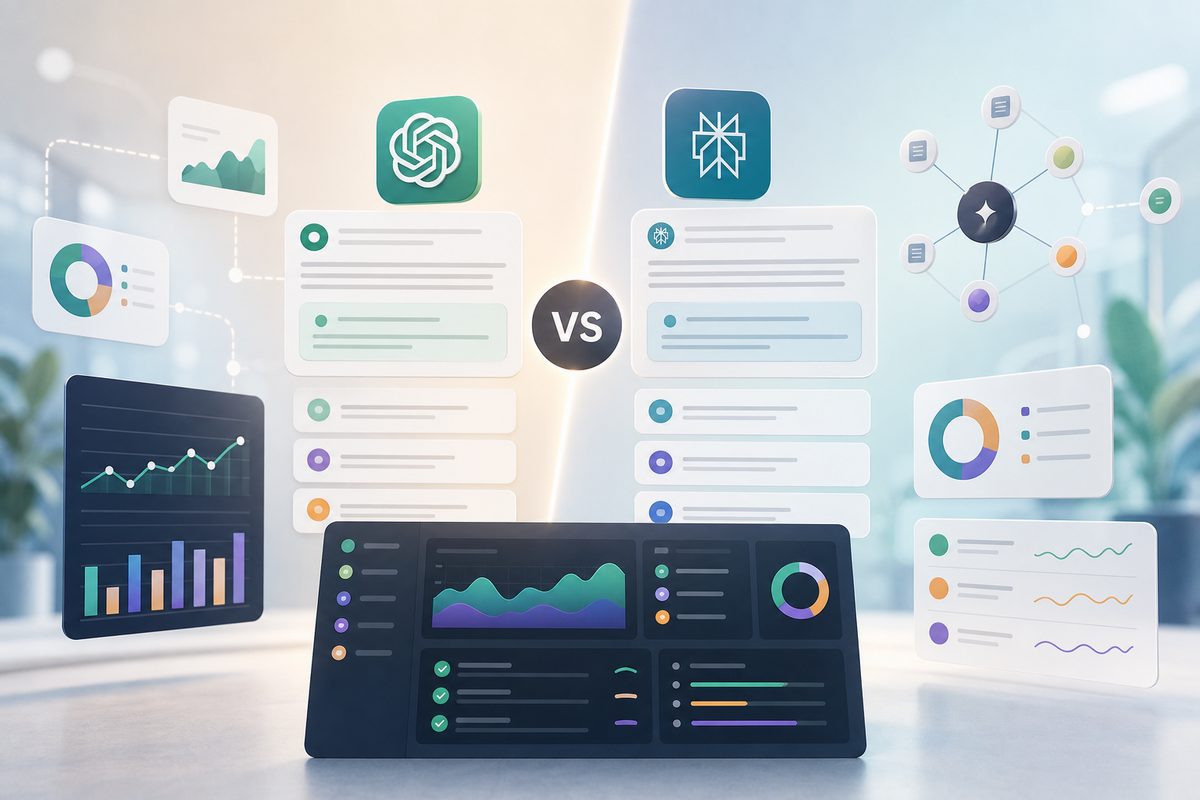
ChatGPT vs. Perplexity Brand Visibility: Why What Works on One Platform Fails on the Other
A new platform-by-platform breakdown from MaxAEO reveals that the gap between ChatGPT and Perplexity is not just stylistic - the two platforms have fundamentally different citation architectures that reward different content strategies. ChatGPT prioritizes established authority, brand recognition, and depth of coverage; Perplexity weights recency, source diversity, and explicit citations in the content itself. A brand optimizing for one without accounting for the other is effectively invisible on half the AI search market.
The guide maps specific content signals to each platform's ranking behavior and provides a prioritization framework for brands with limited content production capacity. The core finding: most brands are inadvertently optimizing for ChatGPT by default (because its patterns resemble traditional SEO), while leaving Perplexity - which drives more commercial research queries - almost entirely unaddressed.
Read the Full Breakdown
The guide maps specific content signals to each platform's ranking behavior and provides a prioritization framework for brands with limited content production capacity. The core finding: most brands are inadvertently optimizing for ChatGPT by default (because its patterns resemble traditional SEO), while leaving Perplexity - which drives more commercial research queries - almost entirely unaddressed.
Perplexity Cites Twice as Many Sources Per Response as ChatGPT — And the Gap Is Widening
QuickSEO's citation study puts a number on something practitioners have noticed qualitatively: Perplexity averages 21.9 citations per response versus ChatGPT's 10.4, and the distribution matters as much as the average. Perplexity sources skew heavily toward recently published content and third-party coverage; ChatGPT pulls from a broader historical corpus with less recency weighting.
The most counterintuitive finding in the data: 80% of URLs that ChatGPT cites do not appear in Google's top 100 results for the same query. Traditional search authority is nearly irrelevant to ChatGPT citation probability. The implication is that brands building AI visibility strategy around their existing SEO footprint are measuring the wrong thing entirely.
Read the citation data →
The most counterintuitive finding in the data: 80% of URLs that ChatGPT cites do not appear in Google's top 100 results for the same query. Traditional search authority is nearly irrelevant to ChatGPT citation probability. The implication is that brands building AI visibility strategy around their existing SEO footprint are measuring the wrong thing entirely.
More Stories

ChatGPT, Claude, Perplexity: Each Platform Serves a Different Buyer Intent
LLMRefs maps the three dominant AI platforms to distinct buyer intents: ChatGPT handles task execution and creative work, Claude addresses complex analytical queries requiring nuanced reasoning, and Perplexity serves research-and-compare use cases where citation transparency matters. Brands that treat all three as interchangeable are leaving significant visibility gaps in their categories.
Read the three-platform guide →
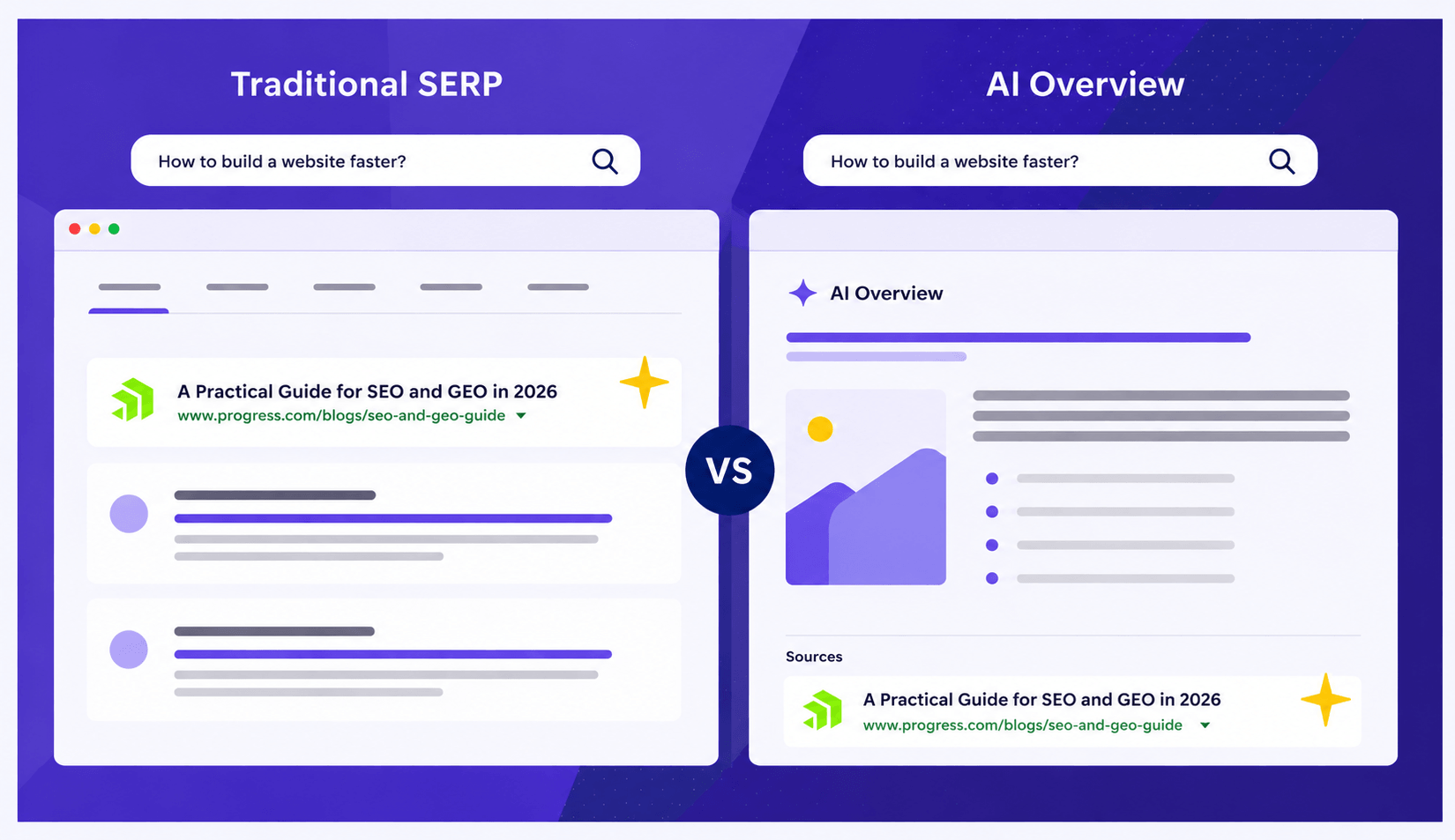
SEO and GEO Are Not Competitors. Running Only One in 2026 Is a Mistake.
Progress.com's practical guide pushes back on the "GEO replaces SEO" narrative gaining traction in the industry. Traditional search still drives the majority of commercial web traffic; AI search is growing but not yet dominant for most categories. The 2026 winning strategy is integrated visibility - content that earns Google rankings AND provides the structure, specificity, and recency signals AI systems reward.
Read the full strategy guide →
Navarro's Take
Stop Treating "AI Search" as a Single Channel
The pattern across everything I'm reading this week is the same: brands are approaching AI search as a monolith, the way they once approached "SEO" before anyone understood that Google and Bing required different approaches. ChatGPT, Perplexity, and Google AI Overviews are not the same thing. They have different crawl behaviors, different citation architectures, different weighting models, and different user intents. The data on 21.9 vs. 10.4 citations per response is not an interesting detail - it's a signal that Perplexity is fundamentally a different product that rewards a different content strategy.
What I tell brands right now: pick one platform to win first. For most B2B companies, that's Perplexity - it has the highest commercial intent, the most transparent citation behavior, and the clearest feedback loop for measuring your presence. Get cited consistently there before spreading your effort across three platforms you don't fully understand yet.
What I tell brands right now: pick one platform to win first. For most B2B companies, that's Perplexity - it has the highest commercial intent, the most transparent citation behavior, and the clearest feedback loop for measuring your presence. Get cited consistently there before spreading your effort across three platforms you don't fully understand yet.